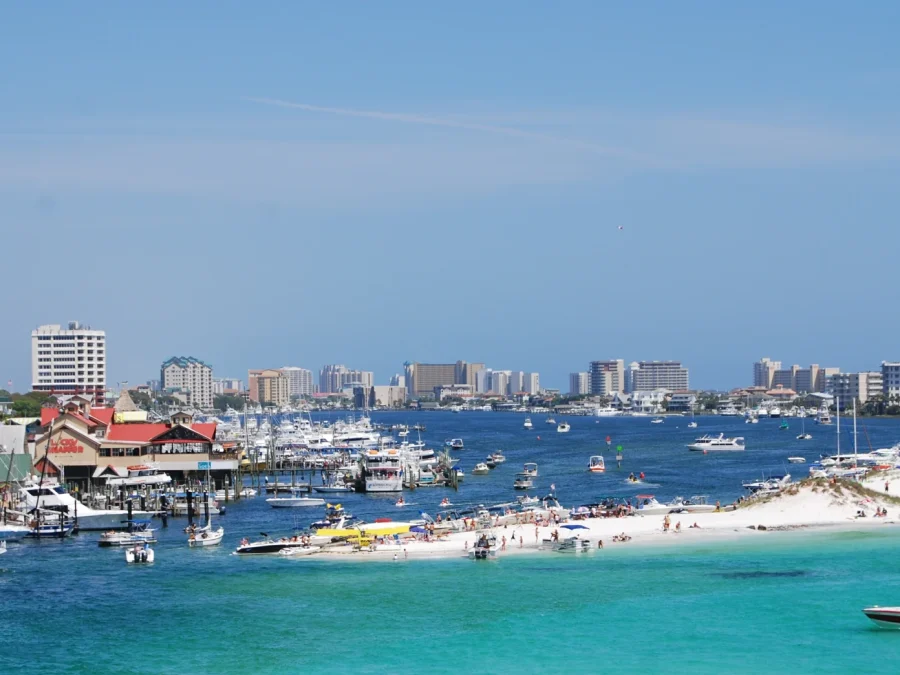
Henderson Beach, with room to slow down
Approach the beach as a living coastal landscape, with designated paths, dune vegetation and time to pause.
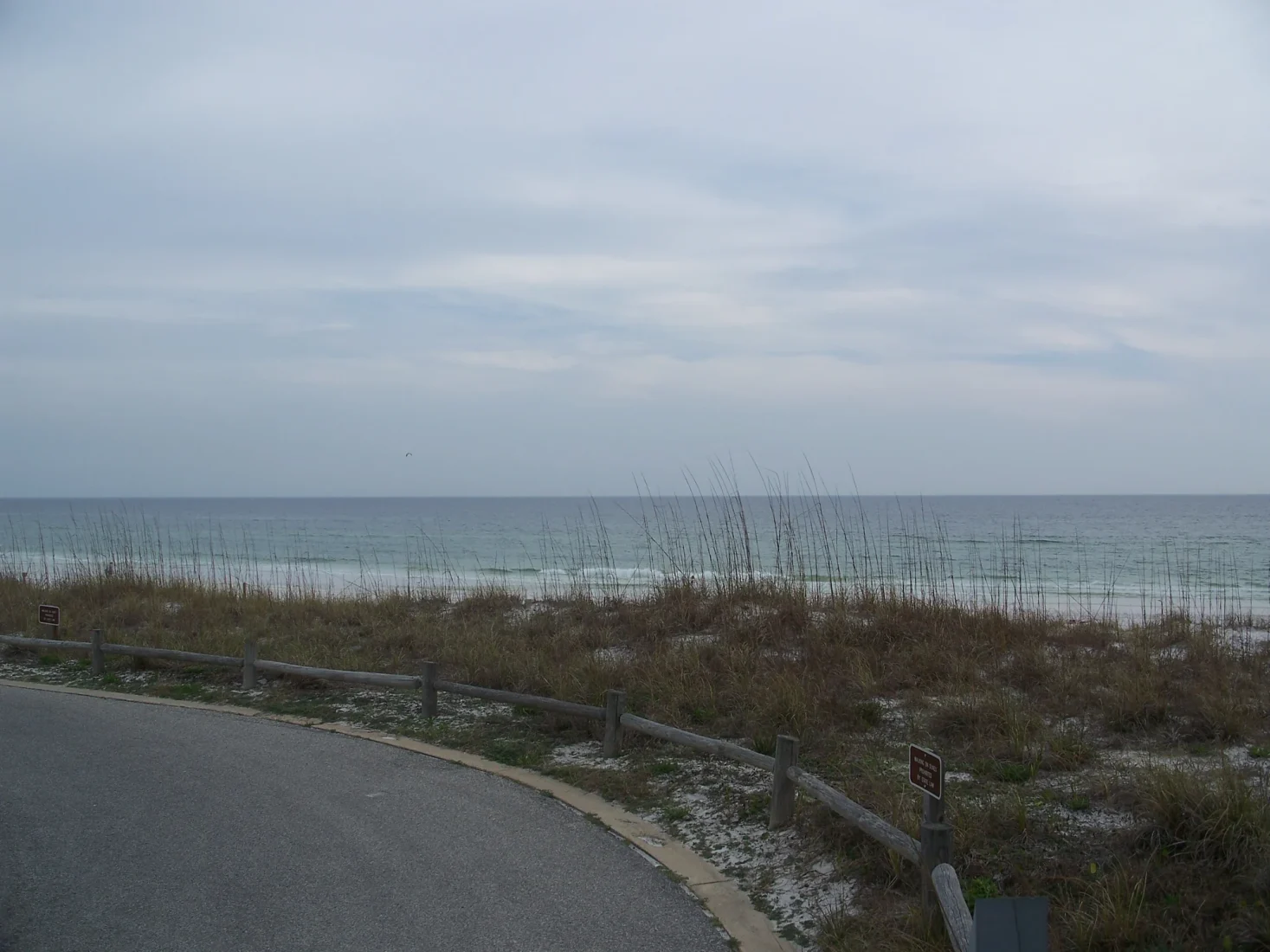
A beach day can be more than the space between a towel and the water. At Henderson Beach State Park, the dunes and coastal vegetation are part of the experience. Arriving with a little context helps you enjoy that landscape while respecting the routes designed to protect it.
Plan around the park, not a photograph
Start with the park’s official visitor information. Confirm current access, opening arrangements, facilities, fees and any alerts shortly before your trip. A photograph records one set of conditions; it cannot promise the same water, weather or access on the day you arrive.

Parasailing Experience in Destin
Parasailing is a great way to get the best views from high above the emerald coast. You will be 400' above the water seeing all sorts of marine life...

Destin Two Stop Snorkeling and Shelling Adventure
Explore the wonders beneath the waves on Destin Snorkel’s Two Stop Snorkeling activity. In just three hours, ventu...

Crab Island Adventure
Our fun-filled boat tours are one of the best things to do in the Destin, Florida area. Sit back, relax, and allow u...

Private Crab Island Party by Boat
Enjoy The Beautiful Emerald Coast Beaches or cruise out to Crab Island on this Luxury Godfrey Monaco Double Decker...
Think about what your group needs. A short visit with young children, a longer afternoon on the sand and a walk with someone who needs accessible facilities can require different planning. Check the details of the facilities you need instead of assuming every beach access is equivalent.
Read the landscape
The dunes form a natural edge between developed areas and the beach. Sea oats and other vegetation belong to that system. Use the designated access paths and boardwalks, keep away from fenced or signed protection areas and leave plants and natural material where they are.
There is no need to cross a dune to find a more interesting view. The change from shaded coastal texture to open water is often clearer when you slow down on the permitted route. Keep paths clear for other visitors and take photographs from places where you are allowed to stand.
Choose one simple focus
- For a short stop, make the journey to the beach and back the main event.
- For a longer beach visit, build in shade, water and a practical place to pause.
- For a nature interest, check the designated trail information and notice the vegetation along it.
- For photography, work with the actual light and weather rather than waiting for a promised sunset.
Combining every activity is not necessary. A comfortable visit with enough energy for the return journey is more rewarding than following an ambitious plan after everyone is tired. Leave flexibility for heat, wind and changing conditions.
Treat water conditions as a separate decision
Check the current beach warning system and follow local safety instructions. Do not use a calm-looking photograph or a previous day’s visit to judge today’s conditions. If the water is unsuitable for your group, the day can still include time on the shore from a safe and permitted place.
Keep children supervised and know where to seek assistance. Read signs on arrival and ask park staff for current information when needed. An online travel guide cannot replace the advice and restrictions in place at the beach.
Make a practical packing list
| Need | What to consider |
|---|---|
| Comfort | Drinking water, suitable sun protection and clothing for the conditions. |
| Access | Current facility details and the needs of everyone in your group. |
| Stewardship | A way to carry out your belongings and rubbish. |
| Flexibility | An alternative plan if conditions change. |
Leave room afterward for a meal or a quiet break. Our guide to choosing a Destin base can help you think about travel time, while the harbor guide offers a different kind of waterfront day. Keep the two experiences distinct rather than trying to rush through both.

Dolphin & Sunset Cruises
The Dolphin Cruises are 1 hour narrated cruises through the Destin Harbor, through the East Pass into the Gulf of Mexico and into the Bay near the wor...

4 Hour Destin Harbor Crab Island Excursion
Crab Island is a summer tradition for locals and visitors alike as the ultimate way to celebrate on the water but yo...

Destin Dolphin Cruise
Our product is unique because of how easy it is to walk around and see over the side of the boat. Our boat is stable...

4.5 Hour Sandestin to Crab Island Excursion Aboard Sol y Luna
Crab Island is a summer tradition for locals and visitors alike as the ultimate way to celebrate on the water but yo...